A Gentle Studio for Your Nervous System

Today we explore expressive arts practices to ease anxiety at home, turning simple movement, color, rhythm, and storytelling into accessible comfort you can reach for between chores, calls, or bedtime. Expect step-by-step guidance, compassionate science, intimate stories, and invitations to try tiny, doable rituals right where you are.

The Science of Soothing Rhythm

Rhythm is a built-in regulator. When your hand repeats arcs or your fingers tap an easy beat, breathing often follows, shoulders loosen, and the mind finds a more predictable lane. Think knitting, drumming on a mug, or tracing waves; consistent cadence signals, gently, that immediate danger has passed for now.

Color, Mood, and Gentle Focus

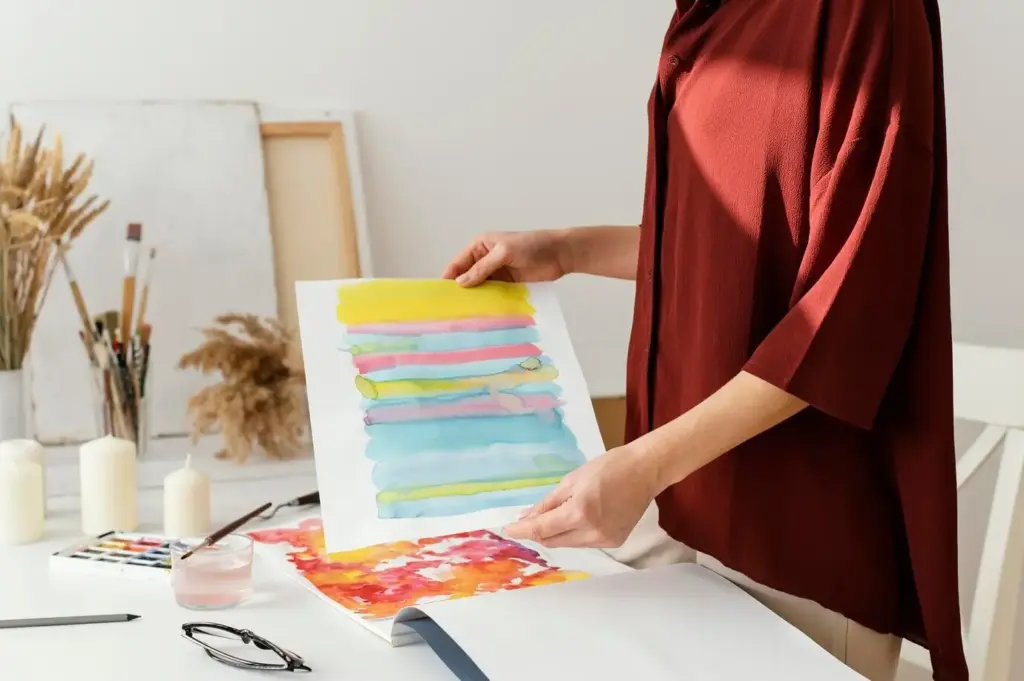
Colors invite emotional naming without heavy analysis. Choosing a soothing palette, laying translucent layers, or limiting yourself to two hues encourages gentle focus and steadier breath. You are not judging technique; you are observing shifts in your chest and jaw as sky blues, moss greens, or warm ochres quietly settle attention.

Turning Worry into Story

Anxiety loves unfinished stories. By drawing a simple comic strip or writing three sentences about the worry with a playful twist, you create a container. Naming a beginning, middle, and possible next step reduces vagueness, which helps the body release some urgency and reclaim practical, compassionate choices.
Lighting and Sound That Support Quiet Focus
Soft, indirect light calms startle responses, while warm bulbs reduce stark contrasts that can feel edgy at night. Pair with familiar, low-volume sounds: rustling leaves, rain recordings, or a favorite instrumental track without lyrics. Predictable sensory cues tell your body, kindly, that this corner is designed for restoration.

Low-Cost Materials You Already Have

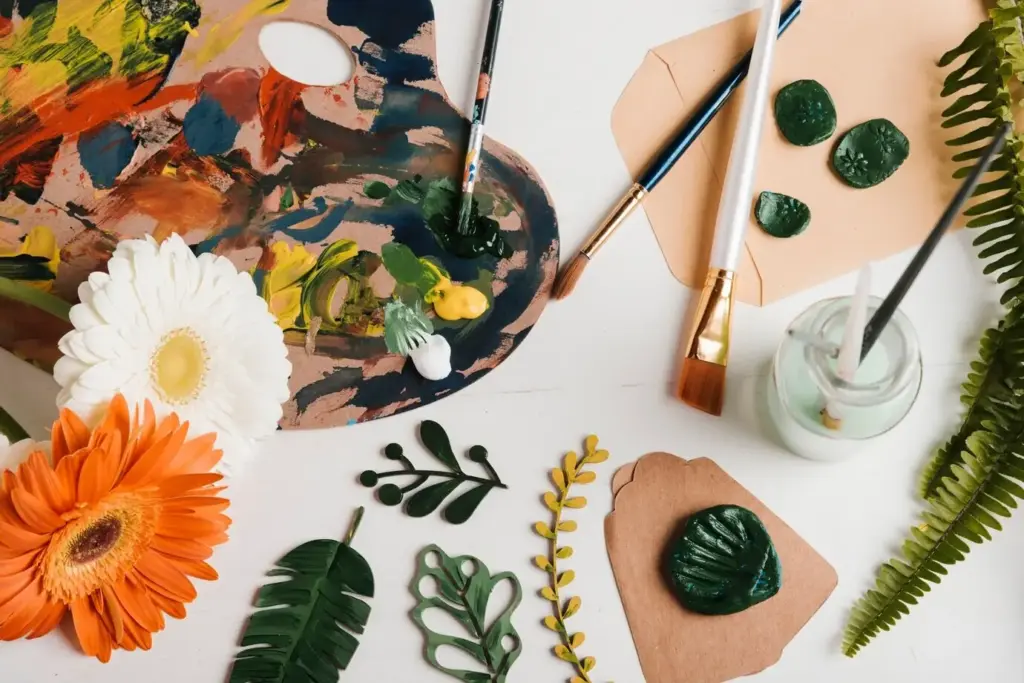
You do not need specialty supplies. Recycled envelopes become sketch paper, tea boxes cut into collage pieces, and cooked rice can substitute for clay-like texture in sensory play. Add tape, a glue stick, and markers. The goal is easy access, not perfection, so starting feels light and inviting.

Guided Practices You Can Try Tonight

Instructions matter when energy is low. The practices below skip perfectionism, honor short attention spans, and welcome mess. You will find breath-led drawing, gentle body awareness with words, and easy rhythm. Choose one, set a timer, and allow curiosity to guide, not performance or productivity metrics.

Five-Minute Breath-and-Line Sketch

Sit comfortably, exhale long, then draw one slow line for each out-breath. Rest the pen during inhales. Let lines overlap or wander. After five minutes, circle the line that feels most settled and write a word beside it describing the sensation, giving your nervous system language and acknowledgment.

Body Map With Kind Words

Trace a simple outline of your body on paper, or draw abstract shapes representing head, chest, and belly. Place gentle words where tightness lives: soften, supported, later. Add colors that match the intention. This creates compassionate dialogue with sensations, easing spirals by meeting discomfort with clarity and care.

A Parent Finds a Pause Between Meetings
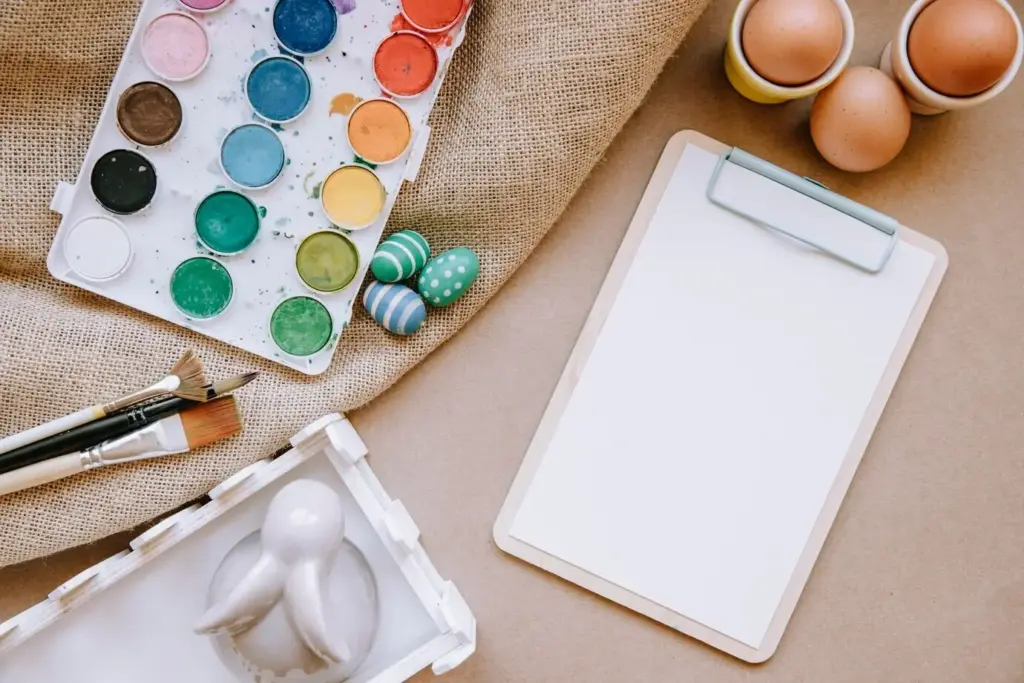
Between video calls, one parent kept a sketchpad beside the keyboard. Each time anxiety spiked, they traced a single leaf from a windowsill plant, repeating veins and curves. By Friday, the pages formed a quiet forest, and the body associated work breaks with recovery rather than dread.

Anxious Evenings Softened by Collage

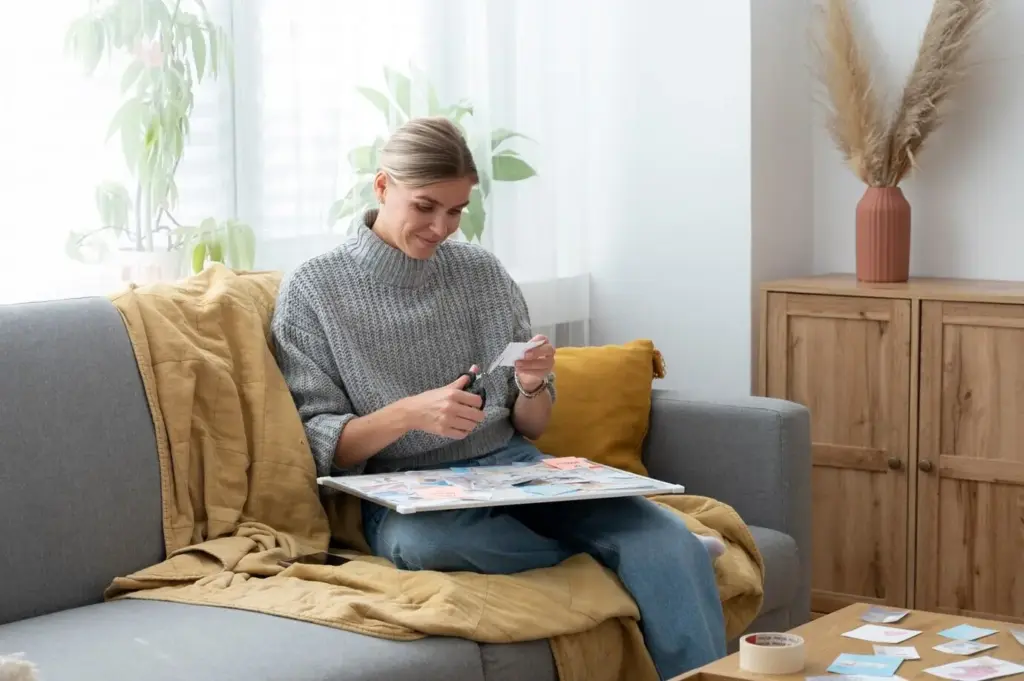
Evenings felt jagged until scissors, magazines, and glue arrived at the table. Selecting textures, tearing edges, and arranging fragments became a way to decide something when everything else felt uncertain. The collage book now holds dozens of calm choices, proof that steady hands can reorganize scattered thoughts.

From Sleepless to Steady Using Simple Clay
Sleep kept slipping. A small ball of air-dry clay sat by the bed with a drop of lavender oil. Night after night, gentle rolling, pinching, and smoothing quieted racing thoughts. The shape did not matter; the hands learned safety through repetition, and rest returned more predictably.

Keeping Momentum Without Pressure

Consistency blooms when pressure stays low. Rather than demanding daily masterpieces, build an approach that welcomes imperfect attendance and brief sessions. Track mood shifts with simple symbols, let practices evolve with seasons, and create escape hatches for hard days, preserving trust so creativity remains a refuge, not another chore.

Design a Gentle Weekly Flow

Sketch out a week like a playlist: two short practices on busy days, one longer session on Sunday, and a floating option for surprises. Name backup modes for low energy. Planning this way reduces guilt, supports flexibility, and keeps your nervous system expecting regular, caring attention rather than extremes.

Celebrate Micro-Wins

Celebrate small signals: you sat down, you breathed slower, you enjoyed a color. Mark it with a star in your calendar or a snapshot in a private album. Sharing a win in the comments also builds community memory, reminding others that progress can feel tiny and still count.

When Resistance Shows Up

Expect resistance: boredom, perfectionism, or sudden errands. Meet it with curiosity. Try a two-minute timer, switch mediums, or repeat the last practice instead of inventing new ones. Kind boundaries matter; you are building reliability, not proving worth, and gentleness keeps the door open for tomorrow.

Connect, Share, and Grow Together

Anxiety isolates, but creativity invites companionship. Engage lightly with others practicing similar rituals. Exchange playlists, trade prompts, and swap photos of messy tables. Mutual encouragement keeps practices alive and safe. Together we normalize imperfect, beautiful attempts at calm, and we learn new tricks when ideas run thin.
Vopufaririnopapikela
Privacy Overview

This website uses cookies so that we can provide you with the best user experience possible. Cookie information is stored in your browser and performs functions such as recognising you when you return to our website and helping our team to understand which sections of the website you find most interesting and useful.