Research on expressive art and writing suggests that integrating imagery with gentle attention helps the amygdala settle while the prefrontal cortex regains perspective. Slow, repeated strokes, paced with breath, invite parasympathetic tone, easing muscular tension and allowing feelings to move rather than spiral.
When worry feels foggy, converting sensations into contours, dots, or color fields externalizes the vague. Seeing form appear from uncertainty provides a small, repeatable mastery experience, reinforcing the message that feelings are information, workable and changing, not permanent verdicts on identity or worth.

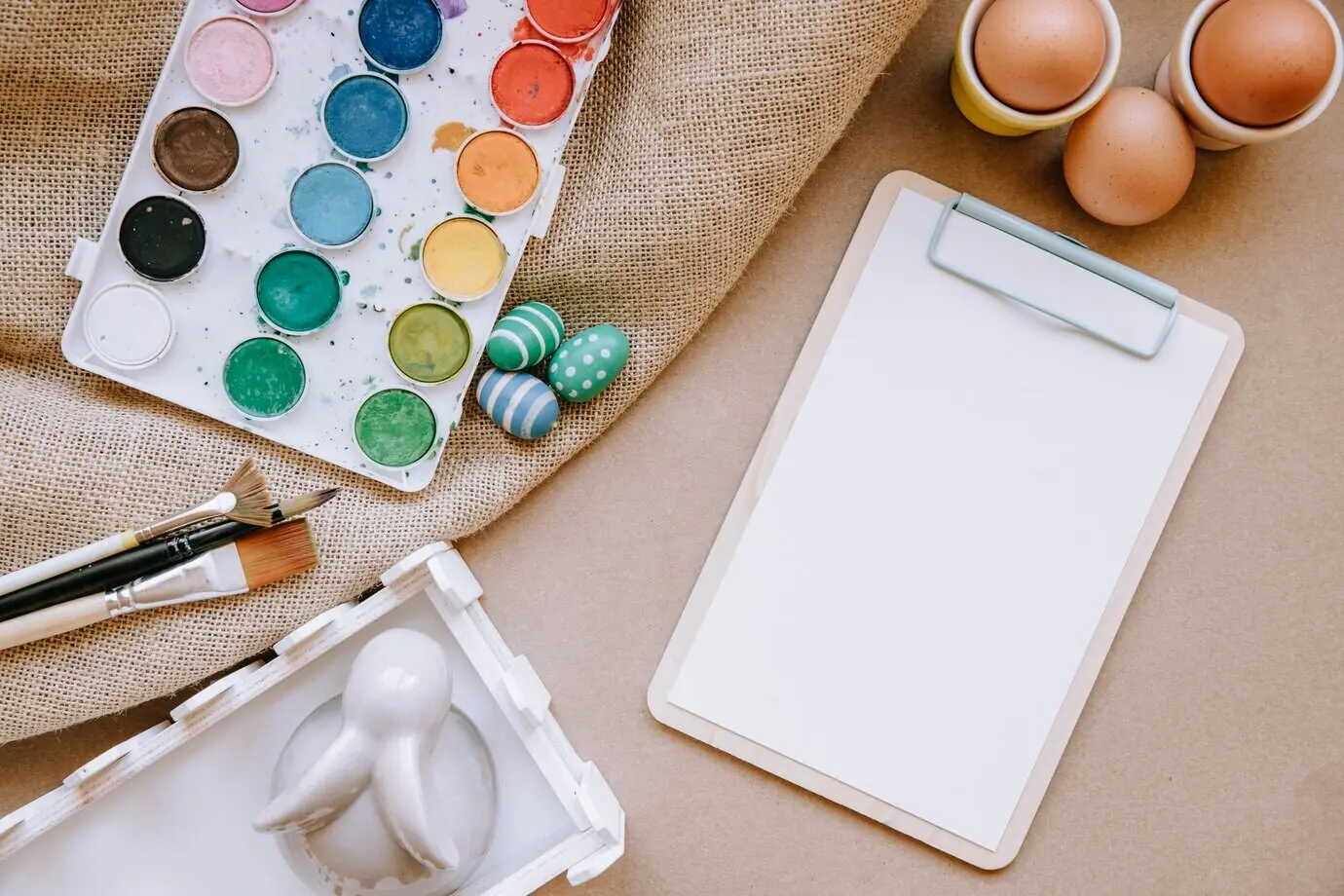
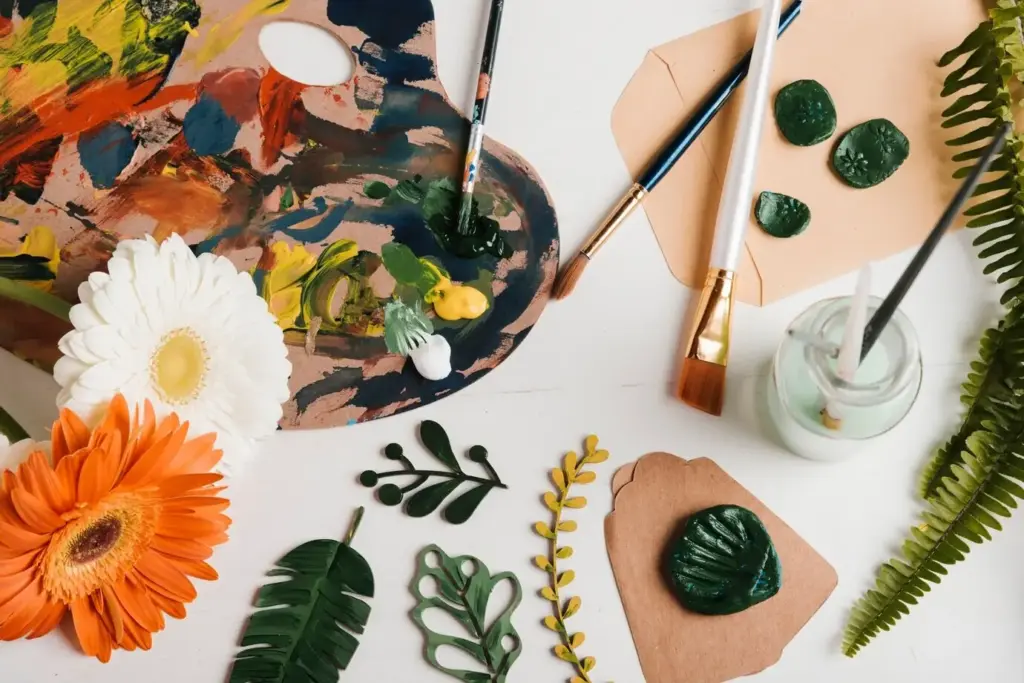
Select a sketchbook that opens flat and tolerates layering; smooth paper for pens, toothy for pastel, heavier for watercolor. Favor tools that glide with minimal resistance. The friendlier the tactile sensation, the easier it is to begin even on difficult days.
Create a brief opening and closing: one breath with a counted exhale, a sip of tea, maybe a single grounding word. Start the page, set a gentle timer, and finish by noting one resource you can access later when emotions feel big.
Promise less than you can deliver: three minutes, one inch of marks, five colors, a single collage scrap. Completing small steps builds credibility with yourself. Reliability, not intensity, trains resilience, especially when life is noisy and energy fluctuates without warning.
All Rights Reserved.