
Family Craft Nights: Connection and Calm
Tonight we explore Family Craft Nights that foster connection and calm, inviting you to slow down together, put phones aside, and let gentle creativity become the evening rhythm. Expect practical ideas, heartwarming stories, and mindful practices that suit every age, helping your home feel softer, closer, and steadier, week after week, with projects you can start right after reading.

Setting a Soothing Scene
A comforting environment signals every family member that this time matters. Dim the lights, clear a table, and choose a simple centerpiece that makes people smile. A small ritual like lighting a candle or pressing play on soft music transforms ordinary weeknights into a predictable sanctuary where attention can land gently and shared creativity feels safe, unhurried, and welcoming.
Projects for Every Age and Pace
{{SECTION_SUBTITLE}}
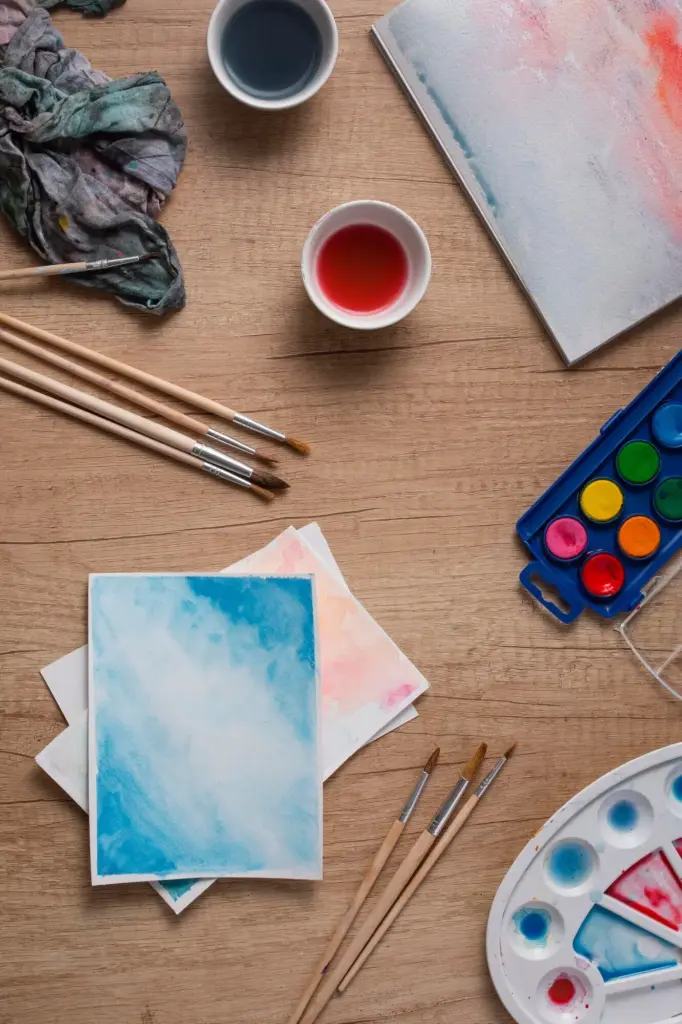
Gentle sensory makes for little hands
Toddlers thrive with safe, tactile experiences like large-piece collages, sponge painting, or salt-dough ornaments. Use oversized tools, non-toxic materials, and broad, achievable steps. Celebrate textures and discoveries rather than outcomes. When small makers feel successful and included, older siblings naturally slow down to encourage them, and a patient rhythm emerges where everyone finds a comfortable role.
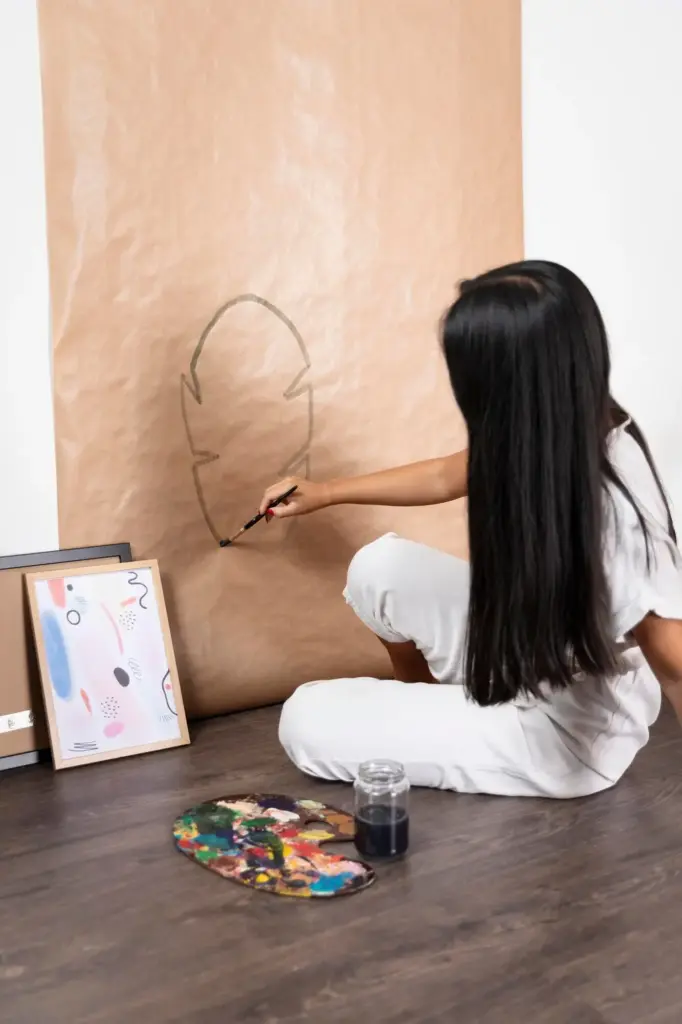
Upcycling sparks for tweens and teens
Invite independence by transforming worn T-shirts into tote bags, decorating phone stands from cardboard, or stitching patches on jackets. Offer choices and let them lead demonstrations. Respect their style preferences and encourage experimentation. Leadership moments help teens feel trusted, turning crafting into a place where their creativity sets the tone and younger siblings learn by enthusiastic example.
Conversation that Unfolds as Hands Create
When hands are busy, hearts often open. Use the gentle pace of crafting to check in about school, worries, wins, and small joys. Avoid interrogations; prefer curious, compassionate prompts that invite stories. Silences are welcome, too. Trust the rhythm of scissors, glue, and stitches to hold space for thoughts to surface without pressure to perform.
Soft prompts that invite sharing
Keep a small jar of conversation cards with questions like What surprised you today, or Which color matches your current mood and why. Draw one when energy dips. These prompts feel playful, not prying, and make it easier for quieter voices to join, ensuring everyone is heard without turning the evening into an interview.
Feelings through materials
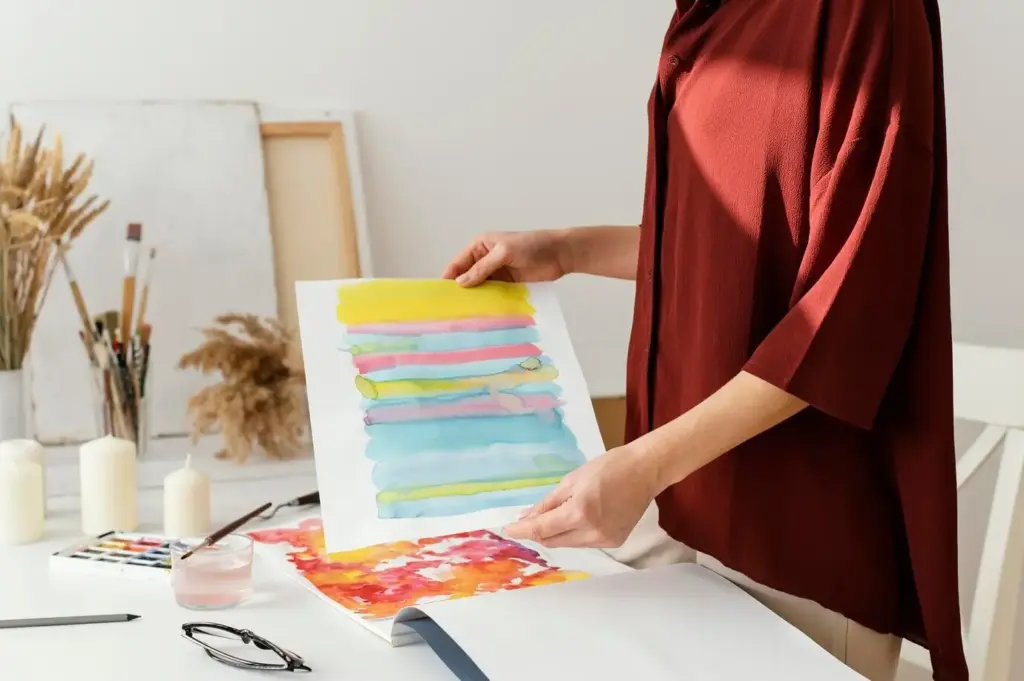
Encourage choosing colors, textures, or shapes to represent emotions. A jagged paper edge might stand for stress; a swirling brushstroke could signal relief. Let people decide whether to explain or simply show. This word-optional practice honors different communication styles and allows complex feelings to find gentle expression that words alone might struggle to carry fully.
Mindful Techniques that Ease Stress
Crafting naturally encourages slower breathing, sustained attention, and a sense of mastery. Lean into these benefits with practices that gently regulate the nervous system. Repetitive motions, deliberate pauses, and simple grounding cues help anxiety loosen its grip, replacing urgency with steadiness. Even ten mindful minutes can transform family energy, redirecting restlessness toward calm, collaborative flow.
Breath-paced stitches and strokes
Guide everyone to match movements with inhalations and exhalations. Breathe in, lift the brush; breathe out, complete the stroke. Or inhale, thread the needle; exhale, pull through. This rhythm anchors attention, prevents rushing, and creates a shared tempo. Kids learn embodied calm, while adults feel tension melt into the predictability of repeated, focused, soothing motions.
Slow-paint mini rituals
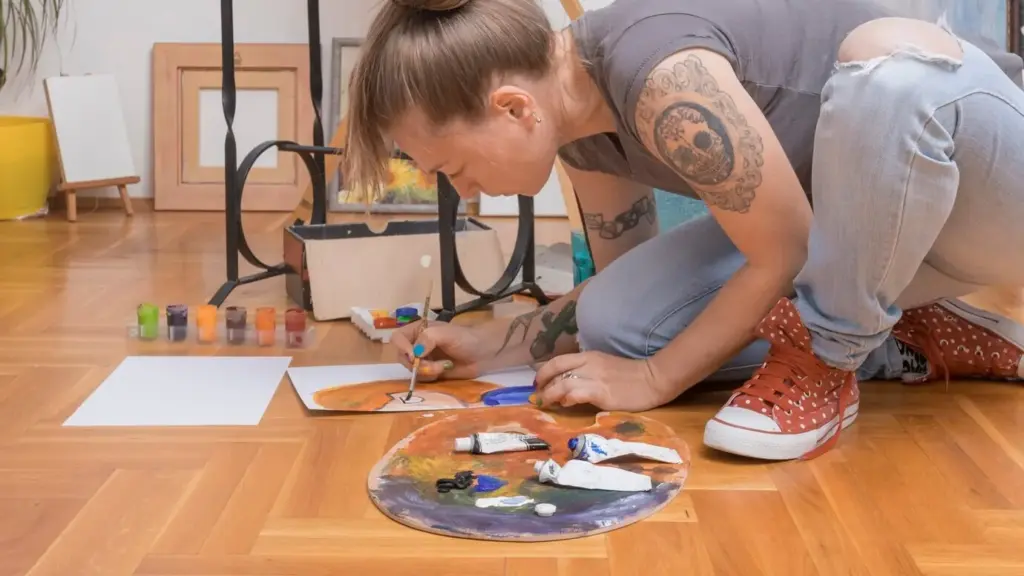
Before painting, ask each person to mix a custom color that feels peaceful today. Pause to notice its shade in different light. Then apply paint in unhurried layers, focusing on texture rather than coverage. This mindful ritual lowers perfectionism, values exploration, and reinforces that creative evenings are about presence, curiosity, and recovery from the day’s noisy momentum.
Grounding with natural materials
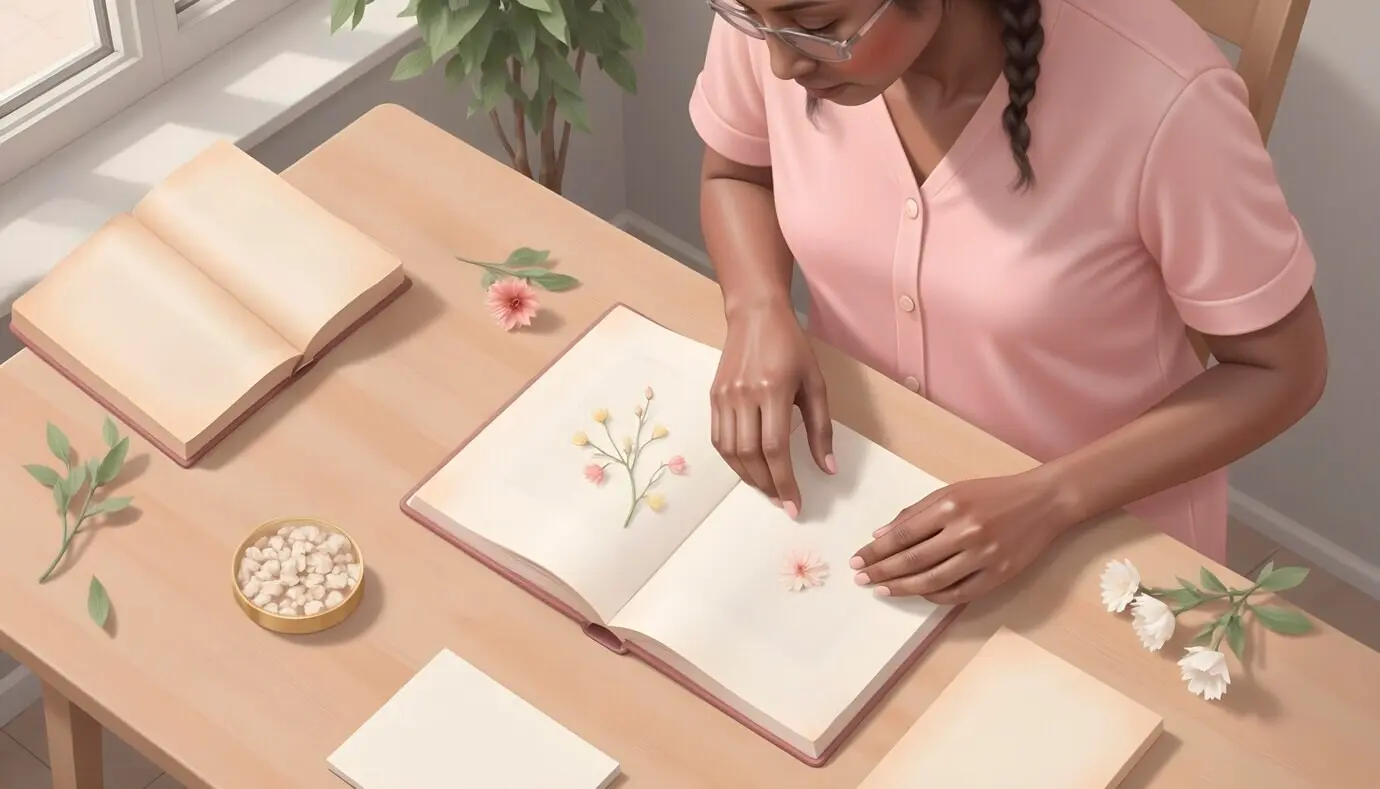
Introduce leaves, twigs, pebbles, or pressed flowers. Invite gentle touch and observation before making. Discuss where each item came from and what memory it carries. Nature’s textures naturally regulate attention and spark wonder. Integrating outdoor finds roots projects in real places, connecting family stories to seasons, walks, and weather that continue long after the craft table clears.
Budget-friendly starter kit
Assemble basics that stretch: washable paints, broad brushes, colored paper, glue sticks, masking tape, child-safe scissors, and a simple needle-and-thread set. Add cardboard backers and freezer paper for easy protection. With these staples, dozens of varied projects emerge without new purchases, lowering barriers to starting and keeping evenings dependable, warm, and refreshingly uncomplicated for everyone involved.
Rescue and reuse household treasures
Collect cereal boxes, jars, fabric scraps, and packaging paper in a neat bin. Clean and flatten items so they are ready to go. Upcycling teaches resourcefulness, creativity, and environmental care. Children learn to see potential in everyday objects, and adults appreciate the savings, turning decluttering into opportunity rather than wasteful guilt or last-minute craft store runs.
Low-waste setup and cleanup
Cover tables with reusable mats, keep rags instead of paper towels, and designate water bowls for rinsing brushes. A labeled caddy lets supplies return home quickly, making tidy endings feel achievable. When cleanup becomes part of the creative arc, the ritual stays lovable, because starting tomorrow does not depend on dreading tonight’s mess or chaos.
Memories, Meaning, and Momentum
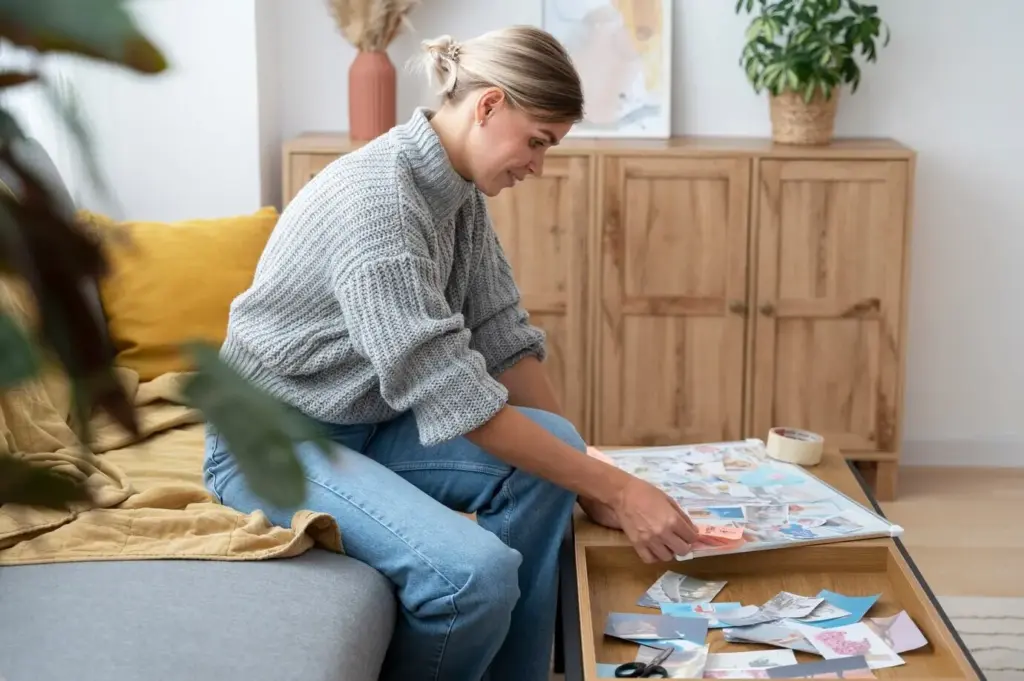
Capture what you make, and let those moments keep working in your home. Display creations where they spark conversation, rotate favorites seasonally, and document progress in photos or brief notes. Celebrating the journey reinforces continuity, deepens pride, and quietly invites the next gathering, making crafting feel less like an event and more like your family’s heartbeat.
A simple craft journal
Keep a shared notebook near the supplies. After each session, tape in a snapshot, jot a highlight, and note which materials worked well. Children enjoy drawing a tiny symbol for their mood. Over time, this record becomes a treasure map of growth, revealing patterns, favorite projects, and tender reminders during weeks when energy dips or schedules crowd.
Display with love, rotate with intention
Dedicate a wall or shelf for recent creations. Use clips or frames that are easy to swap. Rotations prevent clutter and keep attention fresh. Invite each person to choose one piece to spotlight. These small curatorial choices nurture pride, spark storytelling for visitors, and underline that creative efforts deserve light, not just storage boxes or drawers.
Seasonal calendars and micro-rituals
Create a monthly list of tiny craft prompts tied to seasons, holidays, or family milestones. A paper leaf banner in autumn, gratitude stars in winter, seed packets in spring, seaside sketches in summer. Micro-rituals reduce decision fatigue and boost anticipation, ensuring continuity even when time is tight, because the next gentle idea already awaits everyone.
All Rights Reserved.