Draw Your Way Back to Steady Ground

We’re diving into Visual Journaling for Emotional Resilience, exploring how simple marks, colors, and collaged fragments can help steady difficult feelings, build recovery after stress, and rekindle curiosity. Expect practical steps, science-backed insights, tender stories, and gentle challenges. Join the conversation, try the prompts, and share what unfolds.

Why Pictures Calm the Storm

Images bypass endless rumination, speaking to sensory memory and the nervous system faster than many words. When we externalize inner weather onto a page, the act of choosing line weight, spacing, and color quietly returns agency, steadies breathing, and nurtures reflective distance without dismissal.

The Brain’s Shortcut to Soothing

Research on expressive art and writing suggests that integrating imagery with gentle attention helps the amygdala settle while the prefrontal cortex regains perspective. Slow, repeated strokes, paced with breath, invite parasympathetic tone, easing muscular tension and allowing feelings to move rather than spiral.

Turning Confusion into Shapes

When worry feels foggy, converting sensations into contours, dots, or color fields externalizes the vague. Seeing form appear from uncertainty provides a small, repeatable mastery experience, reinforcing the message that feelings are information, workable and changing, not permanent verdicts on identity or worth.

Materials That Invite You

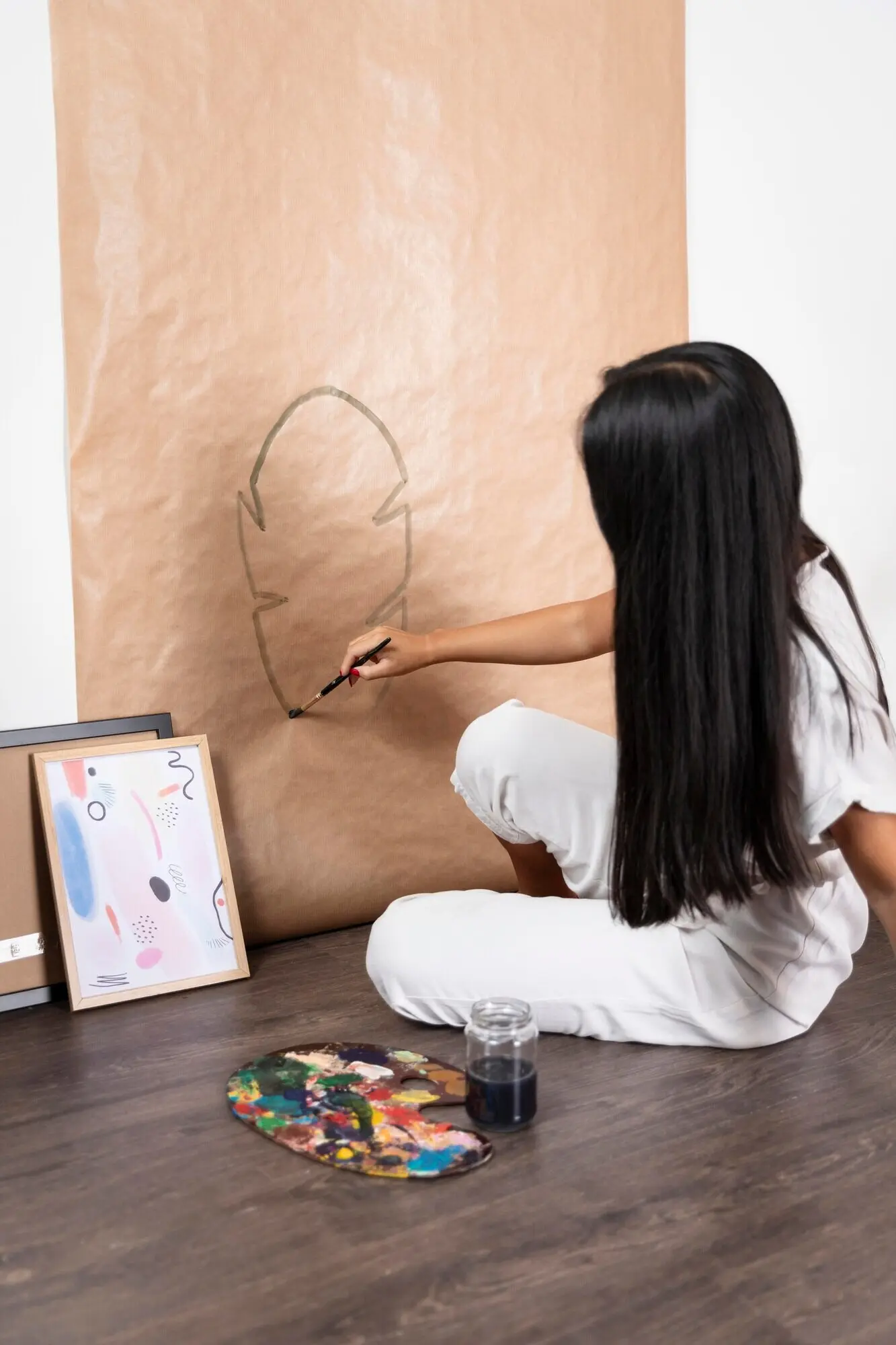
Select a sketchbook that opens flat and tolerates layering; smooth paper for pens, toothy for pastel, heavier for watercolor. Favor tools that glide with minimal resistance. The friendlier the tactile sensation, the easier it is to begin even on difficult days.

A Ritual That Signals Safety

Create a brief opening and closing: one breath with a counted exhale, a sip of tea, maybe a single grounding word. Start the page, set a gentle timer, and finish by noting one resource you can access later when emotions feel big.

Tiny Goals, Honest Wins

Promise less than you can deliver: three minutes, one inch of marks, five colors, a single collage scrap. Completing small steps builds credibility with yourself. Reliability, not intensity, trains resilience, especially when life is noisy and energy fluctuates without warning.

Prompts That Open Safe Doors

Invitations work better than commands. Prompts that emphasize sensation, metaphor, and choice support agency while avoiding overwhelm. Rotate formats to suit the day’s bandwidth, and remember you can always pause, simplify, or switch mediums if your system asks for gentler pacing.

Techniques for Riding Waves, Not Fighting Them

Regulation grows from rhythms, layers, and permission to stop. Use breathing to pace marks, collage to sequence meaning, and metaphor to soften contact with painful material. If strong memories surface, ground first, choose support, and return only when resourced and ready.

A Weekly Reflection Spread

Set aside two pages for highlights, hard moments, and helps that worked. Add small icons for sleep, movement, and connection. Brief notes transform into guidance, showing which supports actually stabilize you so next week begins with clearer priorities and confidence.

Pattern Clues and Reframes

Use sticky notes or tags to mark recurring colors, shapes, or phrases. Do they cluster around certain days or contexts? Naming patterns invites kinder strategies, turning “why am I like this?” into “what would help here?”—a profound shift toward self‑leadership.

Celebrate Micro‑Resilience

Record moments you paused before reacting, drank water before doom‑scrolling, or asked for help without apology. Pair each note with a small celebratory mark. Recognition rewires attention toward capacity, building a feedback loop that sustains practice through inevitable imperfect days.

Sharing, Support, and Boundaries

Privacy by Design

Decide beforehand what remains for your eyes only. Photograph pages at angles, blur names, or share just a corner. Boundaries invite depth by reducing anxiety, allowing authentic participation without sacrificing dignity, safety, or the healing power of honest experimentation.

Feedback That Nourishes

Ask responders to reflect impact, name strengths, and offer gentle curiosity rather than fixes. Try prompts like, “I notice…,” “I feel…,” and “I wonder….” Careful witnessing helps nervous systems co‑regulate, making creative risk safer and insights more sustainable over time.

A Kind Challenge Circle

Gather a small group and choose monthly intentions with opt‑out clauses. Rotate hosting, share process snapshots, and celebrate rest weeks. Collective accountability works best when compassionate; it should feel like a warm bench in the park, not a courtroom.
Vopufaririnopapikela
Privacy Overview

This website uses cookies so that we can provide you with the best user experience possible. Cookie information is stored in your browser and performs functions such as recognising you when you return to our website and helping our team to understand which sections of the website you find most interesting and useful.